

Hidden Costs of Buying a Home in Edmonton That Many Buyers Forget
 Buying a home in Edmonton is exciting, whether you’re purchasing your first property, moving into a larger home or relocating to the city. You’ve probably spent plenty of time thinking about your down payment and monthly mortgage payments, but what about everything else?
The purchase price is only part of the financial picture.
From legal fees and property taxes to inspections, insurance and unexpected repairs, there are several additional expenses that can catch home buyers off guard.
Understanding these costs before you make an offer can help you establish a realistic budget and avoid unpleasant surprises when possession day arrives.
If you’re still deciding whether homeownership makes financial sense, our article Buying vs Renting in Edmonton: Which Makes More Sense in 2026? is a helpful place to start.
1. Legal Fees and Closing Costs
One of the first expenses buyers sometimes overlook is the cost of completing the transaction.
In Alberta, you’ll typically need a real estate lawyer to handle the legal aspects of your purchase, including reviewing documents, registering the transfer of ownership and mortgage, and coordinating the transfer of funds.
Your closing expenses may include:
- Legal fees and disbursements
- Land title registration fees
- Mortgage registration fees
- Title insurance, where applicable
- Property tax adjustments
- Other transaction-specific charges
Unlike some Canadian provinces, Alberta does not charge a traditional land transfer tax. However, buyers still pay provincial land title registration fees, which are calculated using the property’s value and, for mortgage registration, the mortgage amount.
Tip: Ask your lawyer for an estimate of closing costs early in the buying process so you can keep sufficient funds available beyond your down payment.
2. Home Inspections
A professional home inspection is one of the most valuable expenses to budget for when purchasing a resale property.
An inspection can help identify concerns involving the roof, foundation, plumbing, electrical systems, heating equipment and other components.
While an inspection cannot uncover every potential issue, it can give you a better understanding of the property’s condition and possible future expenses.
Additional inspections may also be worth considering depending on the home, including sewer line inspections, specialized structural assessments or evaluations of particular mechanical systems.
Older Edmonton homes can offer tremendous character and value, but buyers should understand the condition of major systems before committing to a purchase.
Our article What Edmonton Home Buyers Walk Away From (And When Those Homes Are Actually Good Buys) explores some of the property concerns worth investigating.
3. Property Taxes and Tax Adjustments
Property taxes are an ongoing expense of homeownership, but buyers sometimes forget about the adjustments that can happen at closing.
In Edmonton, property taxes are based on the property’s assessed value and applicable municipal tax rates.
Depending on the possession date and how the seller has paid their taxes, your lawyer may calculate an adjustment so each party pays their appropriate share.
For example, if the seller has already paid property taxes covering a period after your possession date, you may need to reimburse them for that portion at closing.
Before purchasing, ask about the property’s current tax amount and whether the estimated monthly ownership costs fit your budget.
4. Mortgage Default Insurance
If you’re buying a home with a down payment of less than 20%, mortgage default insurance is generally required for eligible mortgages.
This insurance protects the lender rather than the homeowner.
The premium depends on factors such as the size of your down payment and the mortgage amount. It is often added to the mortgage balance rather than paid entirely upfront.
While this can make purchasing a home possible with a smaller down payment, it also increases the amount you’re financing.
Your mortgage professional can explain the premium, qualification requirements and how it affects your monthly payments.
5. Moving Expenses and Utility Connections
Moving costs can add up surprisingly quickly, especially if you’re relocating from another city or province.
Depending on your circumstances, you may need to budget for:
- Professional movers or truck rentals
- Packing materials
- Temporary storage
- Travel and accommodation
- Utility account setup or deposits
- Internet installation
- Mail forwarding
If you’re moving to Edmonton from another province, the expenses can be considerably higher.
Our guide Moving to Edmonton in 2026? Everything You Need to Know Before You Buy a Home! offers additional information for buyers preparing to relocate.
6. Home Insurance
Home insurance is another important cost that should be considered before purchasing.
Mortgage lenders generally require appropriate property insurance to be in place before funds are advanced.
Insurance premiums can vary depending on the home’s age, location, construction, replacement cost, claims history and other factors.
Some properties may also require additional consideration for sewer backup, overland water coverage or other risks.
It’s worth requesting an insurance quote before removing financing or other applicable conditions, particularly when purchasing an older home or a property with unusual features.
7. Condo Fees and Special Assessments
If you’re considering an Edmonton condominium, the purchase price and mortgage payment aren’t the only monthly expenses.
Condominium fees can cover shared operating expenses, maintenance, insurance for common property and contributions to the corporation’s reserve fund.
However, not all buildings include the same services in their fees.
Buyers should review condominium documents carefully, including financial statements, reserve fund information, bylaws, meeting minutes and any known special assessments.
A lower-priced condo with substantial monthly fees may have a different overall ownership cost than a more expensive unit in another building.
Similarly, a building facing major repairs could require additional contributions from owners.
Understanding the condominium corporation’s financial position is an important part of evaluating the purchase.
8. Immediate Repairs and Maintenance
Even a well-maintained home can require attention shortly after possession.
You might discover that the furnace needs servicing, a faucet is leaking, the dishwasher is nearing the end of its life or the deck needs repairs.
These expenses aren’t necessarily signs that you’ve purchased the wrong property. They’re simply part of owning a home.
Before buying, consider the age and condition of major components such as:
- Furnace and hot water tank
- Roof and windows
- Plumbing and electrical systems
- Appliances
- Decks, fences and exterior features
Setting aside money for maintenance can help prevent smaller issues from becoming larger financial problems.
9. Edmonton’s Winter Operating Costs
Edmonton’s climate creates some expenses that buyers moving from warmer regions may not anticipate.
Heating costs can increase considerably during cold weather, particularly in larger or older homes with less efficient insulation, windows or mechanical systems.
Snow removal, furnace maintenance, winter equipment and seasonal property upkeep should also be considered.
If you’re comparing a newer home with an older property, ask about insulation, window upgrades, heating systems and typical utility usage.
A property’s energy efficiency can have a meaningful impact on the cost of living there over time.
10. The Things You’ll Want After Moving In
Some of the most overlooked expenses aren’t required to complete the purchase. They’re the things you realize you need once you move in.
A larger home might require additional furniture, window coverings, storage solutions or appliances.
A property with a yard may mean purchasing a lawn mower, garden tools, snow shovel or other maintenance equipment.
You may also want to change locks, update lighting, paint rooms or make small improvements before settling in.
These costs can be easy to underestimate, particularly for first-time buyers moving from an apartment into a detached home.
How Much Extra Money Should You Budget When Buying in Edmonton?
There isn’t one number that applies to every purchase.
Your closing costs will depend on the property’s price, mortgage, legal requirements, adjustments and other circumstances. Your ongoing expenses will depend on the type, age and condition of the home.
The important thing is to avoid using every available dollar for your down payment.
Work with your mortgage professional and REALTOR® to establish a budget that accounts for the purchase itself, closing expenses, moving costs and a reasonable emergency reserve.
If you’re still considering your timing, our article Is Now Still a Good Time to Buy a Home in Edmonton? What Buyers Should Know Before Fall 2026 looks at some of the broader decisions buyers face.
Buying a Home in Edmonton With Confidence
The hidden costs of homeownership don’t have to be overwhelming. Most are predictable when you know what to look for and ask the right questions early.
A realistic budget gives you more flexibility, helps you compare properties accurately and makes the transition into homeownership easier.
At RE/MAX Elite, our REALTORS® help buyers throughout Edmonton and surrounding communities understand the home-buying process, evaluate properties and make informed decisions.
Whether you’re buying your first home, relocating to Edmonton or looking for your next property, working with an experienced local REALTOR® can help you prepare for more than just the purchase price.
Frequently Asked Questions
What are the closing costs when buying a home in Edmonton?
Closing costs can include legal fees, land title registration fees, title insurance, property tax adjustments and other transaction-specific expenses. The total depends on the purchase price, mortgage and individual circumstances.
Does Alberta have a land transfer tax?
Alberta does not have a traditional provincial land transfer tax like some other provinces. However, buyers must pay applicable land title registration fees for transferring ownership and registering a mortgage.
Do I need a home inspection when buying a house in Edmonton?
A home inspection isn’t legally mandatory for every purchase, but it is generally recommended for resale homes. An inspection can help identify potential maintenance issues and repairs before you finalize the purchase.
How much money should I have left after my down payment?
Ideally, buyers should retain enough funds to cover closing costs, moving expenses and unexpected repairs or emergencies. The appropriate amount depends on the property, household expenses and financial circumstances.
Are property taxes included in mortgage payments in Edmonton?
Sometimes. Depending on your mortgage arrangement, property taxes may be collected by your lender along with your mortgage payments, or you may pay them directly through the City of Edmonton.
What additional costs come with buying a condo in Edmonton?
Condo buyers should budget for condominium fees, property taxes, insurance for their individual unit and potential special assessments. Reviewing the condominium corporation’s financial documents is an important step before purchasing.
Are utility bills expensive in Edmonton?
Utility costs vary depending on the size and efficiency of the property, household usage, utility rates and seasonal weather. Heating expenses can be higher during Edmonton’s cold winters, so buyers should account for seasonal changes when budgeting.

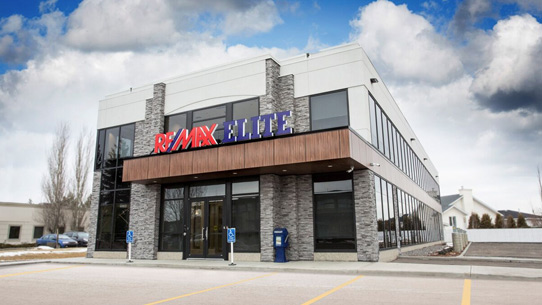 Address: 8104-160 Ave
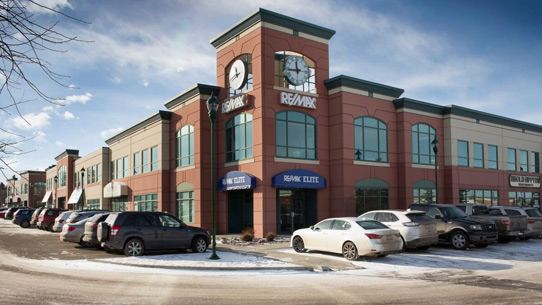
 Address: #302 5083 Windermere Boulevard SW