

Is Now Still a Good Time to Buy a Home in Edmonton? What Buyers Should Know Before Fall 2026

If you have been thinking about buying a home in Edmonton this year, you may have reached the point where you’re wondering whether you should make a move now or wait.
It is an understandable question. Interest rates, home prices, inventory, economic headlines and changing market conditions can all influence how buyers feel about making a major purchase. Add predictions about what might happen next, and it becomes easy to spend months waiting for the “perfect” time to buy.
The problem is that the perfect market rarely exists.
For Edmonton buyers heading toward fall 2026, the better question may not be whether this is the perfect time to buy, but whether it is the right time for you.
If you’re still getting familiar with the city, our Moving to Edmonton in 2026? Everything You Need to Know Before You Buy a Home! guide is a good place to start.
Edmonton Remains an Attractive Market for Home Buyers
One of Edmonton’s longstanding advantages is the range of housing options available throughout the city and surrounding communities.
Depending on your budget and lifestyle, your search could include a downtown condominium, established neighbourhood home, newer suburban property, townhouse, duplex or larger detached home. That variety gives buyers more flexibility to adjust their search rather than simply deciding whether to participate in the market at all.
Location also matters enormously. Two properties at similar price points can offer very different lifestyles depending on commute times, schools, recreation, transit, lot size and nearby amenities.
Buyers who aren’t sure where to begin can explore our Best Neighbourhoods in Edmonton for Buyers in 2026 (By Lifestyle & Budget) and Best Edmonton Neighbourhoods for Families in 2026: Schools, Parks, Commutes, and Value.
Should You Wait for Interest Rates to Come Down?
Interest rates understandably play a major role in affordability. Even relatively small changes can affect monthly mortgage payments and the amount a buyer qualifies to borrow.
But waiting for lower rates isn’t automatically a winning strategy.
If borrowing becomes more affordable, buyers who have been sitting on the sidelines may return to the market. Increased competition can put pressure on desirable properties, particularly in popular neighbourhoods and more accessible price ranges.
That means a buyer who waits for a better mortgage rate could potentially face stronger competition or different home prices later.
Rather than trying to predict the exact direction of rates, talk to a mortgage professional about what you can comfortably afford under current conditions. You can then decide whether the homes available within that budget meet your needs.
More Inventory Can Mean More Choice
One of the most frustrating situations for buyers is having the financing and motivation to purchase but very few suitable homes to choose from.
When inventory improves, buyers may have more opportunities to compare properties rather than feeling pressured to pursue the first reasonable option.
More choice can allow you to pay closer attention to the things that matter long term: location, property condition, layout, parking, outdoor space and future resale potential.
It can also make it easier to walk away from a property that simply isn’t right.
Our recent article What Edmonton Home Buyers Walk Away From (And When Those Homes Are Actually Good Buys) explores some of the issues worth considering when comparing homes.
Don’t Let Headlines Determine Your Personal Timeline
Real estate headlines tend to focus on averages.
Average sale price. Average days on market. Average price increase or decrease.
Those numbers are useful for understanding the broader market, but nobody actually buys the “average Edmonton home.”
You buy one property, in one neighbourhood, within one price range.
Conditions affecting a starter townhouse may be quite different from those affecting a luxury property. A detached home in a highly sought-after family neighbourhood can experience different buyer demand than a downtown condominium.
This is why local market knowledge becomes particularly important when deciding whether to buy.
For a broader look at how the year began, see our Edmonton Real Estate Market Outlook for 2026: Trends, Opportunities, and What Buyers and Sellers Need to Know.
When Buying Now May Make Sense
There are situations where purchasing sooner rather than later can make sense regardless of what economists predict.
You may be ready to buy if you have stable income, sufficient savings, manageable debt and expect to remain in the property long enough to make homeownership worthwhile.
Your lifestyle may also be driving the decision. Perhaps your family needs another bedroom, you’re relocating to Edmonton, you’re tired of renting, you need a home office, or you simply want more control over where and how you live.
If you’re currently renting primarily because you’re uncertain about purchasing, our Buying vs Renting in Edmonton: Which Makes More Sense in 2026? article looks at some of the financial and lifestyle considerations involved.
When Waiting May Be the Better Decision
There is nothing wrong with waiting when your personal circumstances suggest you should.
If buying would leave you with almost no emergency savings, your employment situation is changing, you’re carrying significant high-interest debt, or you’re unsure whether you’ll remain in Edmonton, purchasing a home may not be the immediate priority.
You may also simply not have found the right property yet.
Being financially ready doesn’t mean you have to buy something.
A good REALTOR® should be equally comfortable telling you when a property isn’t right as they are helping you write an offer when it is.
Get Ready Before You Find the House
One of the smartest things prospective buyers can do is prepare before the right listing appears.
Speak with a mortgage professional and obtain a pre-approval. Establish a comfortable monthly housing budget rather than simply relying on your maximum qualification. Identify your must-have features and determine which compromises you’re prepared to make.
It also helps to choose your REALTOR® early.
That gives you someone who can help you understand neighbourhoods, recent comparable sales, property histories and changing market conditions before you’re under pressure to make a decision.
So, Is August 2026 a Good Time to Buy in Edmonton?
For some buyers, absolutely. For others, waiting will make more sense.
There isn’t one answer that applies to everyone.
Trying to perfectly time the bottom of home prices and mortgage rates is extremely difficult. A more useful strategy is to understand the market you’re buying into, know your financial position and recognize a good opportunity when it fits your needs.
Edmonton offers a broad range of homes, communities and price points. The right opportunity isn’t necessarily the cheapest home or the moment when every market indicator looks perfect. It is a property you can comfortably afford that supports the way you want to live.
With hundreds of REALTORS® serving Edmonton and surrounding communities, RE/MAX Elite can connect buyers with local expertise across a wide range of neighbourhoods and property types. Whether you’re starting to explore your options or you’re ready to make a move, having the right information can make the process considerably easier.
Frequently Asked Questions
Is 2026 a good year to buy a house in Edmonton?
Whether 2026 is a good time to buy depends on your finances, housing needs, preferred neighbourhood and the specific segment of the Edmonton market you’re considering. Buyers should focus on affordability and individual properties rather than trying to perfectly time the overall market.
Should I wait for mortgage rates to drop before buying?
Not necessarily. Lower mortgage rates can improve borrowing affordability, but they can also bring additional buyers into the market. Consider what you can comfortably afford today and discuss different rate scenarios with a qualified mortgage professional.
Is fall a good time to buy a home in Edmonton?
Fall can offer opportunities for Edmonton buyers as the market transitions away from the busiest spring and early-summer period. Conditions vary by neighbourhood, property type and price range, so local data should be considered before making an offer.
How much should I be pre-approved for before looking at Edmonton homes?
A lender can determine your maximum mortgage qualification, but your personal housing budget may be lower. Consider mortgage payments, property taxes, utilities, insurance, maintenance and other household expenses when establishing your comfortable purchase price.
Should I buy a home if I might move again in a few years?
It depends on your circumstances. Buying and selling both involve costs, so buyers with a very short expected ownership period should consider those expenses when comparing homeownership with renting.
Do I need a REALTOR® before getting mortgage pre-approval?
You can complete either step first, but having both a mortgage professional and REALTOR® involved early can make your home search more efficient. Pre-approval helps establish your budget, while your REALTOR® can help you understand what that budget may purchase in different Edmonton communities.



 Address: 8104-160 Ave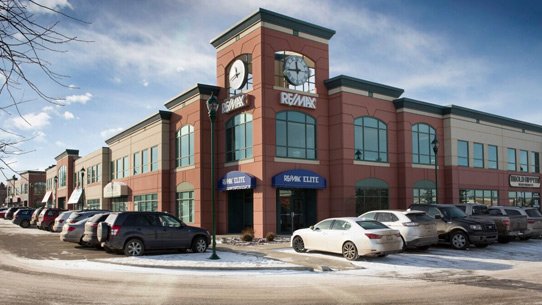
 Address: #302 5083 Windermere Boulevard SW