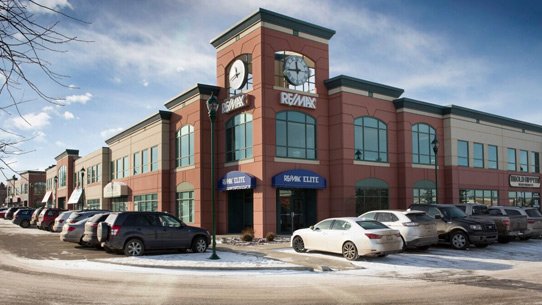

should you rent or buy in edmonton alberta

Buying vs Renting in Edmonton: Which Makes More Sense in 2026?

should you rent or buy in edmonton alberta

If you’re asking yourself “Should I buy or rent in Edmonton in 2026?”, you’re not alone.

With shifting interest rates, rising rental costs, and changing buyer demand, many Edmonton residents are taking a closer look at the real numbers behind homeownership. The truth is, the best option depends on your financial situation, lifestyle, and long-term goals.

This guide breaks down the buy vs rent Edmonton decision clearly, with practical comparisons on cost, equity, flexibility, and long-term impact.

Edmonton Housing Costs in 2026: The Bigger Picture

Edmonton continues to stand out as one of Canada’s most affordable major cities for housing. While prices have increased in many neighbourhoods, Edmonton remains attractive for first-time buyers and investors because mortgage payments can still be comparable to monthly rent in many parts of the city.

At the same time, rental rates have climbed, especially for:

  • Detached homes and duplexes
  • Newer townhomes
  • Rental units near major employment hubs
  • Properties close to transit and the University of Alberta

This has made the rent vs mortgage Edmonton conversation more relevant than ever.

Cost Comparison: Rent vs Mortgage in Edmonton

The most common reason people hesitate to buy is the belief that renting is cheaper. In some cases, that’s true, especially in the short term. But in Edmonton, ownership can often be competitive with rent depending on the property type and down payment.

Renting Costs (Typical Considerations)

When you rent, your monthly payment is predictable, but you may also face:

  • Annual rent increases
  • Rising utility costs (depending on the lease)
  • Moving expenses when rent rises
  • Limited control over upgrades or changes

Renting can be cost-effective if you plan to move frequently or you’re not ready to commit to one location.

Buying Costs (Typical Considerations)

Buying comes with higher upfront expenses, including:

  • Down payment
  • Legal fees
  • Home inspection
  • Property taxes
  • Home insurance
  • Maintenance and repairs

However, mortgage payments often remain stable if you choose a fixed-rate term, and a portion of every payment goes toward ownership.

A strong first step is to use a mortgage calculator to compare real monthly payments with your current rent.

renting or buying in edmonton

Equity Building: The Biggest Advantage of Buying

One of the most important differences between renting and buying is equity.

When you rent, your monthly payment is gone once it’s paid.
When you buy, part of your mortgage payment builds ownership in an asset.

Why Equity Matters in 2026

Even if Edmonton home prices rise modestly, equity grows through two main factors:

  • Paying down the mortgage principal over time
  • Potential market appreciation

For buyers planning to stay in the same home for five years or more, equity accumulation is often the biggest long-term advantage.

This is why many people searching should I buy or rent in Edmonton end up leaning toward ownership if they have stable income and long-term plans.

Lifestyle Factors: What Kind of Life Do You Want?

The decision isn’t purely financial. Lifestyle plays a major role in whether buying or renting makes more sense.

Renting May Be Better If You Want:

  • Easy mobility for career changes
  • No responsibility for repairs or maintenance
  • Short-term flexibility
  • A simple, predictable monthly lifestyle

Renting works well for students, young professionals, and anyone unsure of their long-term location.

Buying May Be Better If You Want:

  • A stable home environment
  • The ability to renovate or personalize your space
  • A yard, garage, or more storage
  • Predictability and long-term security
  • A stronger sense of community and roots

Many buyers in Edmonton choose ownership because they want long-term stability without the uncertainty of rent increases.

Flexibility vs Stability: What’s the Trade-Off?

Renting = Flexibility

Renting offers a low-commitment housing option. If your job changes, your family grows, or you decide Edmonton isn’t your long-term city, it’s easier to relocate.

This flexibility has real value, especially in uncertain economic times.

Buying = Stability

Buying provides stability and long-term control. Mortgage payments may remain consistent, and you are protected from unpredictable rent increases.

Homeownership can also provide emotional stability, especially for families or people planning to stay in Edmonton long-term.

Long-Term Financial Impact: What Happens Over 5–10 Years?

A key question in 2026 is not “What’s cheaper this month?” but “Where will I be financially in 5–10 years?”

Renting Over the Long Term

Over time, renters may face:

  • Continuous rent increases
  • No asset ownership
  • Limited ability to benefit from market growth
  • Rising competition for rental homes

Renting can still be a smart choice if you are investing your savings elsewhere, but most renters do not invest the difference consistently.

Buying Over the Long Term

Buying typically leads to:

  • Growing equity
  • A real asset you can sell later
  • A potential path to upgrading into a larger home
  • More long-term financial leverage

Even if the market remains stable, mortgage payments reduce principal, and that builds wealth over time.

For many Edmonton residents, homeownership becomes part of their long-term financial foundation.

So, Should You Buy or Rent in Edmonton in 2026?

There is no one-size-fits-all answer, but here are strong general guidelines.

Buying May Make More Sense If:

  • You plan to stay in Edmonton for at least 3–5 years
  • You have stable income and predictable employment
  • You want to build long-term equity
  • You are ready for the responsibility of ownership

Renting May Make More Sense If:

  • You plan to move within the next 1–3 years
  • You are uncertain about your job or income stability
  • You prefer not to handle repairs and maintenance
  • You are not ready for a down payment

In many cases, the right answer depends on comparing actual monthly numbers, not assumptions.

The Smart Next Step: Run the Numbers With a Local Expert

If you’re debating buy vs rent Edmonton, it helps to work with someone who understands Edmonton neighbourhood pricing, mortgage trends, and long-term resale value.

A buyer consultation can help you evaluate:

  • Monthly mortgage estimates vs rent
  • Down payment options
  • First-time buyer programs
  • Neighbourhood affordability
  • Future resale potential

Start by using the mortgage calculator, then connect with a local RE/MAX Elite expert to get a clear picture of what homeownership could look like in 2026.

FAQ: Buy vs Rent Edmonton

Is it better to rent or buy in Edmonton in 2026?

Buying is often better for long-term stability and equity growth, while renting is better for short-term flexibility. The right answer depends on how long you plan to stay and your financial readiness.

Are Edmonton housing costs rising?

Edmonton housing costs have increased in recent years, including both home prices and rent, making it important to compare real monthly expenses before deciding.

Is renting cheaper than a mortgage in Edmonton?

Sometimes, yes, especially for condos or smaller units. However, in many Edmonton neighbourhoods, mortgage payments can be similar to rent depending on down payment and interest rates.

How long should I stay in a home for buying to make sense?

Many buyers aim for at least 3–5 years. The longer you stay, the more likely homeownership will outperform renting financially.

Should first-time buyers rent first?

Not always. Edmonton remains one of the most accessible cities for first-time homeownership, and many buyers can enter the market earlier than they expect.


Luxury and Estate Communities in Edmonton

Best Neighbourhoods in Edmonton for Buyers in 2026 (By Lifestyle & Budget)

If you’re searching for the best neighbourhoods in Edmonton, the right choice depends on your lifestyle, budget, and long-term goals.

Are you a first-time buyer looking for value?
A growing family needing space and schools?
An investor focused on rental demand?
Or searching for a luxury estate property?

This Edmonton communities guide breaks down where to live in Edmonton in 2026, organized by buyer type and price range to help you make a confident decision.

First-Time Buyer Areas in Edmonton

First-Time Buyer Areas in Edmonton

Affordability continues to be a major draw in Edmonton’s real estate market, especially compared to other major Canadian cities. For first-time buyers, entry-level single-family homes, duplexes, and townhomes remain accessible in several key communities.

Tamarack (Southeast Edmonton)

Located near Whitemud Drive and Anthony Henday, Tamarack offers newer construction at approachable price points. Many homes were built after 2005, giving buyers modern layouts without premium infill pricing.

Laurel (Southeast Edmonton)

Laurel continues to attract young families and first-time buyers thanks to newer builds, parks, schools, and proximity to shopping amenities.

The Orchards at Ellerslie

A master-planned community with strong resale appeal and community amenities. This area remains one of the most searched neighbourhoods for buyers entering the market.

For buyers looking at condos or townhomes, areas near the University and transit corridors also offer strong value with long-term rental potential.

Family-Friendly Neighbourhoods

family friendly neighbourhoods in Edmonton

When families search for the best neighbourhoods in Edmonton, they typically prioritize schools, green space, safety, and community feel.

Terwillegar Towne

One of southwest Edmonton’s most established family communities. With excellent schools, trails, and proximity to the Terwillegar Rec Centre, this neighbourhood remains highly desirable.

Windermere

Located in southwest Edmonton, Windermere offers newer homes, parks, and shopping amenities. It appeals to families looking for upscale finishes while staying within reach of schools and recreation.

Summerside

A unique lake community offering private beach access and strong community engagement. Families love the walkability and year-round activities.

These neighbourhoods consistently show strong resale value due to high buyer demand.

Luxury & Estate Communities

Luxury and Estate Communities in Edmonton

For buyers seeking high-end finishes, estate lots, and premium locations, Edmonton offers several standout communities.

Glenora

One of Edmonton’s most prestigious central neighbourhoods, Glenora features mature trees, large lots, and luxury infill properties near downtown.

Windermere Estates

An upscale enclave within Windermere known for estate homes, golf course proximity, and custom builds.

Jagare Ridge

A golf course community offering executive homes with scenic views and high-end architectural design.

Luxury buyers often prioritize privacy, lot size, and architectural quality — all of which these areas deliver.

Investment-Friendly Areas

Edmonton remains attractive to investors due to rental demand, population growth, and relative affordability.

Downtown Edmonton

Condos near the ICE District and LRT stations continue to appeal to young professionals and tenants seeking walkability.

Strathcona

Home to the University of Alberta and Whyte Avenue, Strathcona offers strong rental stability and consistent demand.

Westmount

Close to downtown and 124 Street amenities, Westmount blends character homes with infill redevelopment opportunities.

Investors in 2026 are increasingly focusing on properties near transit, employment hubs, and post-secondary institutions.

Condo-Focused Communities

For buyers prioritizing low maintenance living, Edmonton offers several condo-friendly areas.

Oliver (Wîhkwêntôwin)

One of Edmonton’s most walkable neighbourhoods, Oliver provides a mix of high-rise and boutique condos near downtown and the river valley.

Ambleside

Located in southwest Edmonton, Ambleside features modern condo developments close to shopping and Anthony Henday access.

Clareview

With strong LRT access and competitive pricing, Clareview remains popular among first-time condo buyers and investors.

Condos in these areas often appeal to downsizers, young professionals, and investors alike.

Where to Live in Edmonton in 2026

The best neighbourhood in Edmonton ultimately depends on:

  • Budget
  • Commute
  • School needs
  • Property type preference
  • Long-term goals (primary residence vs investment)

What makes Edmonton unique is its range. Buyers can find established central character homes, master-planned suburban communities, lake-access neighbourhoods, luxury estates, and strong rental areas — all within one city.

If you’re relocating to Edmonton, exploring options by lifestyle first is often more helpful than searching by price alone.

Start With Local Expertise

Every Edmonton real estate area has its own micro-market trends. Pricing, days on market, and buyer competition can vary dramatically between communities.

Before making a decision, it’s helpful to:

  • Compare current listings by neighbourhood

  • Review recent sales data

  • Discuss long-term growth potential

  • Explore school boundaries and zoning

If you’re considering a move in 2026, connect with the team at RE/MAX Elite for a personalized neighbourhood breakdown tailored to your goals.

Explore our individual neighbourhood pages for deeper insights, visit our relocation guide for out-of-town buyers, or book a buyer consultation to start narrowing down your options.

FAQ: Edmonton Communities Guide

What is the best neighbourhood in Edmonton for first-time buyers?
Areas in southeast Edmonton such as Tamarack and Laurel continue to offer newer homes at accessible price points.

What are the best luxury neighbourhoods in Edmonton?
Glenora, Windermere Estates, and Jagare Ridge are among Edmonton’s most sought-after estate communities.

Is Edmonton good for real estate investment in 2026?
Yes. With strong rental demand and relatively affordable purchase prices compared to other major cities, Edmonton remains attractive to investors.

Where should families live in Edmonton?
Terwillegar Towne, Summerside, and Windermere are popular for schools, parks, and amenities.

edmonton real estate market outlook 2026

Edmonton Real Estate Market Outlook for 2026: Trends, Opportunities, and What Buyers and Sellers Need to Know

edmonton real estate market outlook 2026The Edmonton real estate market continues to evolve as we move into 2026. Shifting interest rates, changing buyer behavior, and steady population growth are shaping new opportunities for both buyers and sellers across the region.


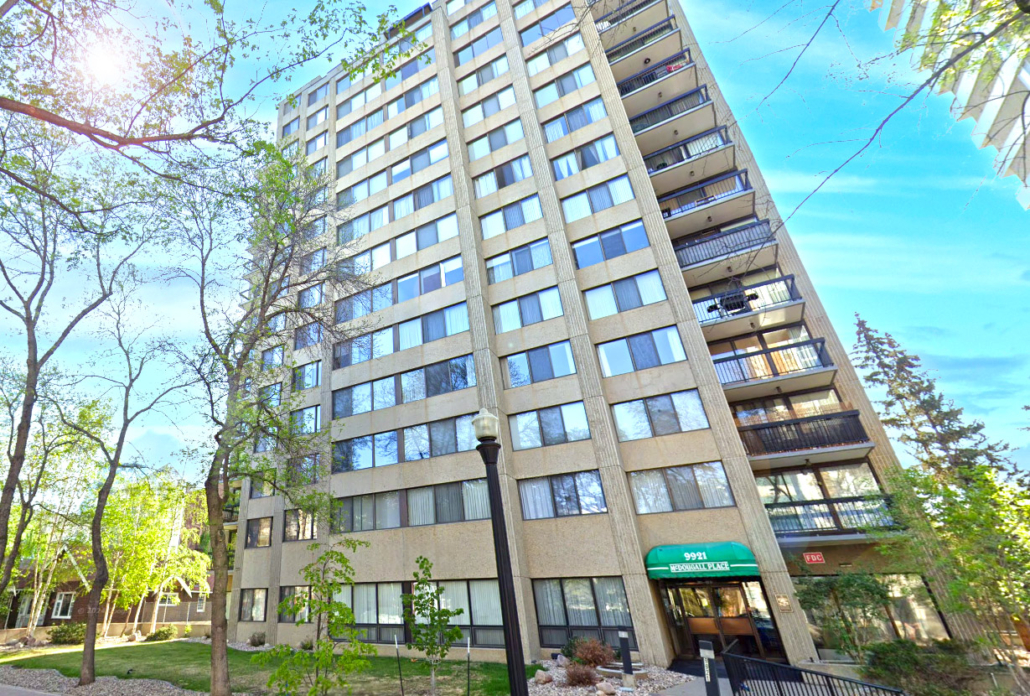
For those considering a move this year, understanding where the market is heading can make all the difference. RE/MAX Elite, one of Edmonton’s largest and most established real estate brokerages, works with buyers and sellers across every price range and community, providing local insight that goes far beyond headline statistics.

This market outlook explores the key trends influencing Edmonton real estate in 2026 and what they mean for you.

Edmonton Housing Market Snapshot

Edmonton continues to be one of Canada’s most accessible major cities for homeownership. Compared to markets like Vancouver and Toronto, Edmonton offers a wider range of housing options and comparatively attainable pricing.

Several factors are influencing current conditions:

  • Population growth driven by interprovincial migration
  • Gradually stabilizing interest rates
  • Consistent demand for detached homes and townhomes
  • Growing interest in suburban and family-oriented communities

These fundamentals point to a market that is balanced but active, with opportunities on both sides of the transaction.

Home Price Trends in Edmonton

Home prices in Edmonton are expected to experience modest, steady growth through 2026 rather than dramatic spikes. This is positive for long-term stability and affordability.

Key observations:

  • Detached homes continue to see steady demand, particularly in established neighbourhoods
  • Condos remain one of the most affordable entry points for first-time buyers
  • Townhomes and duplexes appeal to both first-time buyers and downsizers

Rather than sharp increases, Edmonton’s market is defined by sustainable growth, which appeals to both homeowners and investors looking for consistency.

Inventory Levels and Market Balance

remax elite real estate brokerage in edmonton ab

Edmonton continues to operate in a relatively balanced market. While some neighbourhoods experience tighter inventory than others, buyers still have more choice than in many Canadian cities.

What this means:

A balanced market creates healthier negotiations and more predictable outcomes for both parties.

What Buyers Should Expect in 2026

For buyers, 2026 presents strong opportunities:

  • More predictable pricing
  • Less intense competition than peak pandemic years
  • Greater ability to include conditions and negotiate

First-time buyers, in particular, may find Edmonton attractive due to entry-level pricing and a wide selection of condo and townhome options.

Buyers should focus on:

  • Getting pre-approved early
  • Understanding neighbourhood differences
  • Working with experienced professionals who know local micro-markets

What Sellers Should Expect in 2026

Sellers can expect steady demand, but success will rely on proper positioning rather than automatic multiple offers.

Important seller strategies:

  • Accurate pricing based on local comparables
  • Professional photography and staging
  • Strong online exposure and marketing

Homes that are priced realistically and presented well continue to attract serious buyers.

Neighbourhoods to Watch

While market activity exists across the entire city, certain areas continue to attract consistent attention:

  • Family-focused communities with schools and parks
  • Suburban neighbourhoods offering newer construction
  • Central areas appealing to condo buyers and investors

Each neighbourhood has its own micro-market. Understanding these nuances is key to making informed decisions.

Interest Rates and Financing Considerations

Interest rates remain one of the biggest factors influencing buyer confidence. While rate fluctuations are always possible, many buyers are adjusting by:

  • Choosing shorter-term fixed rates
  • Exploring flexible mortgage products
  • Purchasing within comfortable monthly payment ranges

Working with both a REALTOR® and a knowledgeable mortgage professional can help buyers structure financing that aligns with long-term goals.

Why Work with RE/MAX Elite

With a large network of experienced agents and deep local knowledge, RE/MAX Elite provides clients with:

  • Proven marketing systems
  • Access to extensive buyer networks
  • Community-level expertise across Edmonton and surrounding areas

Whether buying, selling, or investing, having professional guidance is essential in a shifting market.

Edmonton’s real estate market remains one of Canada’s most accessible major-city markets. For buyers, this means opportunity. For sellers, it means a market that rewards preparation and smart pricing.

If you are considering buying or selling in 2026, connecting with the team at RE/MAX Elite is a smart first step.

Contact RE/MAX Elite today to book a private consultation and receive expert guidance on your next move.

edmonton real estate market in 2025

What Did We Learn About the Edmonton Real Estate Market in 2025?

As 2025 wraps up, the Edmonton real estate market has shown clear patterns shaped by growth, infrastructure, and changing buyer priorities. Throughout the year, our blog focused on how seasonal shifts, neighbourhood trends, technology, and affordability are influencing decisions for buyers, sellers, and investors. Rather than dramatic swings, this year was defined by steady demand and a market that rewards preparation and timing.

What Drove the Market in 2025?

mcdougall place downtown condo for sale edmonton

Population growth remained a consistent force behind housing demand. Edmonton continued to attract new residents due to relative affordability compared to other major Canadian cities, along with job growth tied to tech, education, and infrastructure. Our early year content focused on Edmonton neighbourhoods and appreciation trends, highlighting how certain areas were positioned to outperform based on access to transit, schools, and employment hubs. These themes carried through the rest of the year.

The expansion of the tech sector played a noticeable role. As discussed in June, tech jobs increased demand for housing near downtown, the university area, and established transit corridors. This pushed more interest toward condos and higher density developments, especially among younger professionals and investors. It also tightened rental supply in key areas, reinforcing the appeal of entry level ownership for long term stability.

Transit investment was another major driver. LRT expansion continued to influence Edmonton real estate listings, particularly in neighbourhoods gaining new or improved stations. Buyers became more aware of how proximity to transit affects resale value and daily convenience. Sellers in these areas benefited from stronger interest, while buyers who planned ahead found opportunities in communities still in transition.

Affordability remained central to nearly every discussion. Rising interest rates earlier in the year changed buyer behaviour but did not stall the market. Instead, buyers adjusted expectations by considering condos, townhomes, or emerging neighbourhoods. Our August deep dive into Edmonton condos for sale reflected this shift. Condos increasingly appealed not just to first time buyers, but also to downsizers and investors seeking manageable price points in well located buildings.

Family needs were another recurring theme. In September, we focused on houses that supported back to school routines. Homes near good schools often carried a price premium, but they proved more resilient in terms of resale demand. 

How Seasonality Shaped Buyer and Seller Strategy

Q4 Opportunities to Buy New Homes for Sale Edmonton

Seasonal patterns played a clear role throughout 2025, and understanding them created advantages. Winter and early spring were about planning and positioning. Sellers who prepared early benefited from low inventory conditions, while buyers who tracked neighbourhood data were ready to act quickly when listings appeared. Our March quarterly update emphasized the importance of understanding inventory levels and pricing trends rather than relying on headlines.

Summer remained the most active season, as covered in our July analysis of houses in Edmonton Canada. More listings came to market, giving buyers increased choice. While certain segments showed signs of slowing, overall activity stayed strong. Pricing held steady or increased in many areas, especially where homes were well maintained and priced realistically. Summer continued to be the best time for families to move due to school breaks and longer days.

Fall presented a different type of opportunity. Our October article on houses for sale in Edmonton focused on maintenance and staging during cooler months. Sellers who listed in fall faced less competition and often attracted more serious buyers. Proper preparation for winter conditions helped listings stand out, even with reduced daylight. Fall proved to be a strategic window rather than a slowdown.

The year closed with a focus on Q4 opportunities, particularly for new homes for sale Edmonton. As discussed in December, buyer competition typically drops during the holidays, while some builders and sellers aim to close deals before year end. For investors and prepared buyers, this created room for negotiation and faster timelines. Combined with Edmonton’s stable demand and ongoing development, Q4 emerged as a practical time to buy rather than a period to avoid.

Contact us Today About the Edmonton Real Estate Market!

Houses in Edmonton Alberta fit for fall

Looking back, 2025 reinforced that success in the Edmonton real estate market comes from understanding local factors and timing decisions carefully. Whether it was tracking neighbourhood appreciation, watching transit expansion, adapting to tech driven demand, or using seasonal patterns to your advantage, the market rewarded informed action. As we move into 2026, these fundamentals remain relevant, and the lessons from this year provide a clear framework for working through what comes next. Contact us today for help with your new year’s real estate goals! 

FAQ

  1. What were the biggest factors influencing the Edmonton real estate market in 2025?

Population growth, tech sector expansion, and major transit projects like the LRT had the strongest impact. These factors increased demand in specific neighbourhoods and supported steady pricing across much of the city.

  1. Was there a best time in 2025 to buy or sell in Edmonton?

Summer remained the busiest season, but fall and Q4 offered strong opportunities due to lower competition. Buyers who stayed active late in the year often found better negotiating conditions, especially with new homes.

  1. Are condos becoming more popular in the Edmonton real estate market?

Yes. Affordability pressures and lifestyle preferences pushed more buyers toward condos in 2025. Well located condo buildings attracted first time buyers, investors, and downsizers looking for lower price points and easier maintenance.